Processes like succession planning and leadership development are crucial to ensuring that important corporate roles can be filled in the event that current executives retire or depart. Unexpected departures of top people can have a significant negative impact on operations and business performance. A well-thought-out succession plan makes it possible to transfer important information and carry on with little disruption to operations. Potential successors are found, trained, and experienced, and their development is evaluated as part of the process.
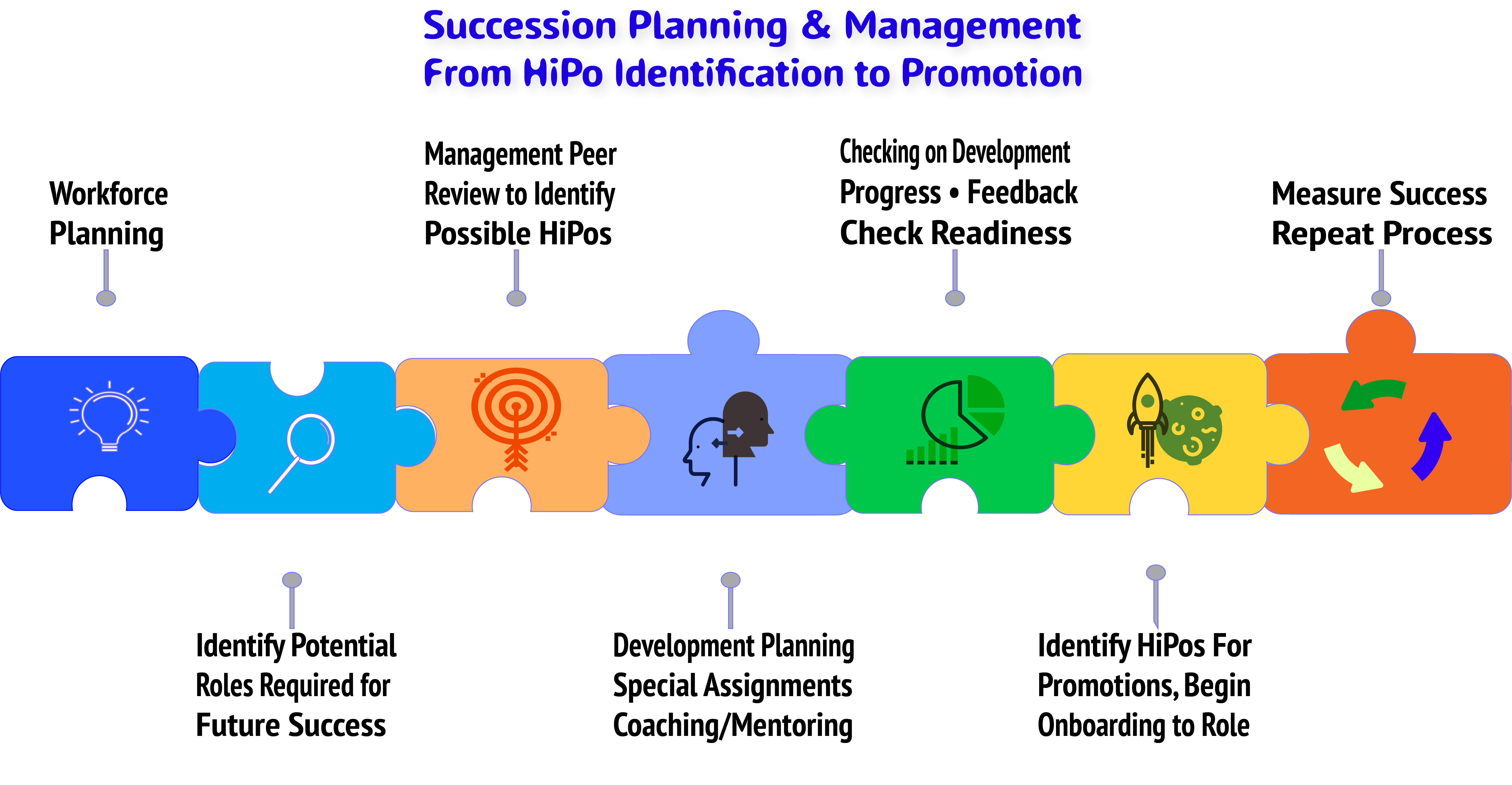
Finding Possible Leaders:
A vital component of every succession planning program is
identifying possible leaders. It's critical to select the best candidate,
whether you're searching for future chief executive officers or managers to
take on roles in your company's branch offices. You may identify the talent
your company needs for the future by using a range of techniques, such as
seminars, simulations, interviews, and skills evaluations.
Seek for staff members that possess the charm and
intelligence necessary to be successful leaders. They might possess a natural
ability to build trusting bonds with people and have the quick judgment to
judge circumstances and decide wisely. Additionally, they know how to uplift
and encourage those around them. They may also be able to offer helpful critique
in a group environment and feel at ease asking for input.
Make sure you maintain employee transparency throughout the
process of identifying possible leaders. This will boost morale and demonstrate
to candidates that their employer values their professional development.
Additionally, you ought to establish a communication strategy to inform
prospective leaders about the developments in your succession planning
endeavors.
Growing Leaders:
Not only should high-potential employees receive leadership
development, but also those who are being considered for future management
positions within the firm. It's a chance to increase worker motivation,
engagement, and retention.
For instance, a mentoring program or training programs that
equip staff members with the abilities they'll need for a new position could be
part of the leadership development process. Additionally, a company may link
workers with managers who may offer them developing opportunities by using its
talent management system to find staff members who have the potential to become
leaders. Leadership development might also include one-time classes or off-site
training sessions. Nevertheless, the Center for Creative Leadership's study
indicates that while these kinds of gatherings often leave attendees excited
and invigorated, they may not be able to carry that energy into the workplace.
A business may include leadership development in each prospective leader's
performance review to make sure the investment pays off.
Educating Leaders:
A well-executed succession plan guarantees the uninterrupted
operation of the business in the event of the departure of a senior leader.
Succession planning should include not just identifying and preparing
candidates for leadership roles in key management positions but also for other
tasks that are essential to day-to-day operations. Personnel working in
operational departments like finance and accounting as well as specialized jobs
like technical expertise or customer service roles fall under this category.
Finding the best candidates for these kinds of roles
necessitates knowledge of both the demands of the present and any prospective
obstacles down the road. For instance, businesses switched from in-person to
virtual employment during the COVID-19 pandemic, necessitating the need for new
executives to be skilled in overseeing a whole new work environment.
Assessing Leaders:
When assessing managers and potential leaders, leadership
evaluations are helpful resources. They assist businesses in identifying talent
gaps, determining the attributes and competencies required for success in
leadership positions, and determining who is prepared to step in as the
organization's next leader when current ones retire, advance, or leave. Finding
areas in which leadership development is required can also be done through
leadership assessment. Selecting a leadership evaluation instrument that best
suits your organization's requirements is crucial, as there are numerous
options available. While some are appropriate for current supervisors and
leaders looking to enhance their own leadership qualities, others are made to
evaluate candidates' suitability for a specific management position.
Source: (Michael Timms, 2021)
A good leadership assessment should take into account more than just the fundamental abilities and knowledge needed for a particular position. It's a good idea to evaluate someone's proficiency with technology management as well. This ability is especially useful in a remote work environment where being able to set up and operate equipment can be advantageous. Because the COVID-19 pandemic has pushed managers to work remotely for extended periods of time, it has highlighted the significance of this talent in many firms.
Ultimately, observing someone in action is the best way to
gauge their potential as a leader. If your company isn't yet ready to perform
routine on-the-job observations, you can still start by urging managers to look
out for individuals with the potential to be leaders on their teams and forward
them to HR.
References
Monte, J. (2019, 09 10). EDSI. Retrieved from
https://www.edsi.com/:
https://www.edsi.com/blog/how-does-leadership-development-fit-in-with-succession-planning-a-roadmap-to-organizational-success
Negron, F. (2023, 08 01). https://www.linkedin.com/.
Retrieved from Linkedin:
https://www.linkedin.com/pulse/leadership-development-succession-planning-felipe-negron
This comment has been removed by the author.
ReplyDeleteThe blog provides valuable insights into the processes and strategies involved in succession planning and leadership development, underscoring their significance in ensuring organizational resilience and continuity.
ReplyDeleteLeadership development and succession planning are critical for ensuring the long-term success and sustainability of any organization. By investing in the development of current leaders and identifying and nurturing future leaders, companies can mitigate risks associated with leadership gaps and turnover. These processes help create a pipeline of talent, foster a culture of continuous learning and growth, and ensure smooth transitions during times of change. Effective leadership development and succession planning also contribute to employee engagement, retention, and organizational resilience
ReplyDeleteLeadership evaluations help businesses identify talent gaps, identify competencies for leadership success, and identify potential leaders. They also identify areas for leadership development. Choosing the right evaluation instrument is crucial, as there are various options for current supervisors and leaders or candidates for specific management positions. Good post Nisha!
ReplyDelete